Turning the Investment Thesis into Enterprise Execution.
Accelerated value. Built on trust.
We have sat on both sides of the table: the boardroom and the operating seat. Alongside management, we build the operating infrastructure, the high-trust environment, and the high-performing teams that accelerate value.
Start a ConversationCase StudiesOur Approach
The Value Creation Priority
Build the organization required for accelerated growth.
Most value creation plans lose time in the same place: the transition. A founder-led organization is asked to execute a new plan before the tools, cadence, and trust are in place. That is where we start, setting the priorities, operating cadence, and accountability that put the plan in motion at PE pace.
Sponsor / Board
Investment thesis
Enterprise Execution
Alignment + Acceleration
Frontline Results
Operating performance
How ITM Creates Value
The sponsor has a thesis. The CEO has a business to lead.
Navigating the Founder-to-PE Transition
We have sat on both sides of the transition: operational diligence, portfolio company boards, and ownership and leadership changes. We earn trust on both sides, delivering what sponsors need while preserving what built the business.
Connecting the Boardroom to the Frontline
We translate the sponsor's value creation priorities into clear leadership priorities and frontline action, and build financial and PE fluency across the team so people see how their decisions create value.
Turning the Value Creation Plan into Enterprise Execution
We build the management system that connects the sponsor's thesis to the CEO's business, with management, not for them. Focus, lean processes, and right-sized AI let the team carry more growth without adding headcount.
Building Lasting Execution Capability
The goal is a stronger, more professional organization, not dependency on outside support or any single person. We embed key expertise into processes, tools, and accountability, so key-person risk falls and the value is bankable at exit.
We are built for lower-middle-market industrial businesses navigating the founder-to-PE transition, typically engaged early in the hold period or when execution begins to lag the value creation plan.
Industries
Manufacturing Industrial Industrial Services
Business Profile
Lower-Middle-Market $30M–$300M Revenue
Transition Period
First Institutional Capital Founder-to-PE
Operating Expertise
Specialized expertise in four critical areas.
Four disciplines, one team. Our specialists partner with management and extend the sponsor's own operating team, deployed selectively or together as the plan requires, under a single engagement lead who owns the work and the relationship end to end.
1
Value Creation Acceleration
Build the team, alignment, and operating discipline to execute at PE pace.
2-Day Onsite Value Creation Workshop
PE-fluent organization & executive team developed to lead through a successful exit
Execution bandwidth & project management rigor
2
Operations & Engineering
Create the lean operating system that improves performance and makes results repeatable.
SQDIP daily management, Kaizen problem solving & standard work
80/20-driven engineering and process improvement focused on constraints
Engineering product data completeness & accuracy
3
Technology & Automation
Use practical technology to remove work, improve visibility, and secure the business.
Consistent, accurate, accessible & secure data
Right-sized technology and AI that automate repetitive work and reporting
Simple tools that improve visibility and execution
4
Commercial Execution
Build the commercial discipline to grow revenue and margin with greater predictability.
Pricing strategy, margin management & price execution in ERP
Pipeline discipline, CRM & rep-level reporting
New product development & stage-gate discipline
Selected Results
Built to Last
Successful Exits
Leadership teams that ran the business through sale and beyond
Scaled to the need: one specialist or the full team, under one engagement lead accountable for results.
Start a ConversationSee How We Work
Practical answers on scalable operating infrastructure, key person risk, operational excellence, and technology-enabled execution for lower-middle-market industrial businesses transitioning from founder-owned to private equity-backed growth.
The business may have a strong investment thesis, a capable management team, differentiated products, and real market opportunity. But after the first institutional investment, the pace and expectations change quickly. The company may now be expected to accelerate organic growth, improve margins, pursue acquisitions, integrate new capabilities, upgrade reporting, professionalize systems, and make faster decisions inside a compressed hold period. That is where friction appears. The issue is rarely effort or commitment. More often, the business is still operating on infrastructure built for founder-led, incremental growth. Critical knowledge sits with a few people. Data is delayed or debated. Management teams are pulled into firefighting. Sponsors want speed, but the operating system is not yet built for scale. ITM Partners helps turn that operational friction into momentum.
The biggest change is not just ownership. It is the required speed of execution. A founder-owned business may have grown successfully through judgment, relationships, practical experience, and informal processes. After a private equity investment, the company usually needs a different level of visibility, accountability, cadence, and operating leverage. The board needs clearer reporting. The sponsor needs confidence in the value creation plan. Management needs better tools to prioritize and execute. The business needs to make decisions faster without overloading the same few people who have always carried the organization. That transition can be difficult because the company is being asked to operate at a new level before the infrastructure has fully caught up. ITM Partners focuses on building the Value Creation Fundamentals required to support that next stage.
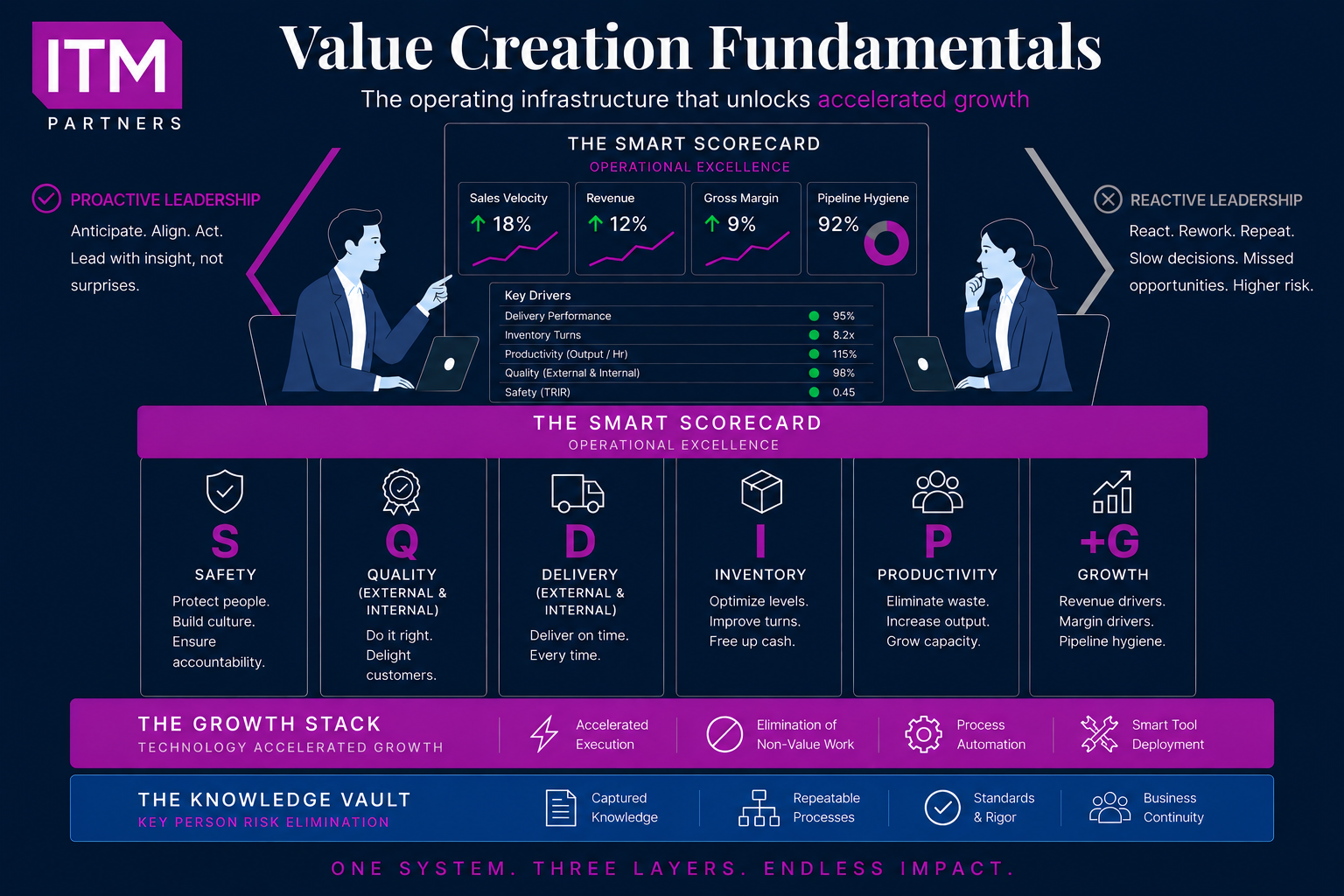
Value Creation Fundamentals are the operating foundations a lower-middle-market business needs to execute the investment thesis with speed and confidence. They are not a replacement for the value creation plan. They are what allow the plan to gain traction. For a newly PE-backed industrial business, these fundamentals usually fall into three areas: key person risk mitigation, operational excellence, and technology-enabled execution. Together, they improve visibility, accountability, decision-making, and operating leverage. Without these fundamentals, companies often try to build infrastructure reactively while also pursuing growth, integrations, pricing initiatives, and margin improvement. That creates distraction and slows execution. Building the fundamentals early helps the organization sharpen the axe before the hardest work begins.
Scalable operating infrastructure is the set of people, processes, systems, data, and management routines that allows a business to grow without creating unnecessary friction. In a founder-owned company, many things may have worked because experienced people knew what to do. They knew the customers, the exceptions, the vendors, the pricing logic, the production constraints, and the unwritten rules. That knowledge is valuable, but it does not always scale. Once the company becomes private equity-backed, the organization usually needs more repeatable systems. Leaders need reliable data. Teams need clearer accountability. Decisions need to move faster. Growth initiatives need to be managed without overwhelming the business. Scalable operating infrastructure gives the company the foundation to execute the investment thesis instead of constantly reacting to bottlenecks.
Execution often slows because the business is being asked to move faster than its operating infrastructure can support. The investment thesis may be right. The opportunity may be real. The management team may be working hard. But if reporting is delayed, roles are unclear, systems are manual, knowledge is concentrated, and operating routines are informal, every growth initiative becomes harder to execute. This is especially common in lower-middle-market industrial businesses after the first transition from founder ownership to institutional capital. The company is suddenly balancing board expectations, sponsor reporting, management development, operational improvement, and strategic growth at the same time. ITM Partners helps identify the friction points that slow execution and build the practical operating foundation needed to create momentum.
Key person risk becomes more visible after the first private equity investment because the business is now expected to scale beyond the informal systems that previously worked. In many founder-led companies, critical knowledge lives with the founder, a senior operator, a plant leader, a sales leader, or a small group of long-tenured employees. They understand the customer history, production workarounds, pricing exceptions, supplier issues, and operational tradeoffs that keep the business moving. That works until the business needs to move faster, integrate acquisitions, expand the team, or make decisions without waiting on the same few people. Key person risk then becomes a constraint on value creation. ITM Partners helps convert tribal knowledge into repeatable processes, clearer roles, better reporting, management routines, and technology-enabled tools the broader organization can use.
Data visibility matters because faster execution depends on trust. When sponsors, boards, and management teams are working from different versions of the truth, momentum slows. Too much time is spent debating the accuracy of the data instead of deciding what to do next. In a newly PE-backed industrial business, leadership needs timely visibility into the drivers of performance: sales pipeline, pricing, margin, capacity, inventory, working capital, labor, quality, customer concentration, and operational bottlenecks. Historical reporting is not enough if the value creation plan requires faster action. ITM Partners helps companies move from rearview-mirror reporting to more actionable operating intelligence. The goal is not just better dashboards. The goal is faster, more confident decision-making.
Operational excellence means building the discipline and repeatable execution required to support accelerated growth. For a lower-middle-market industrial business, that can include production flow, quality, scheduling, pricing discipline, quoting accuracy, supplier performance, inventory management, sales handoffs, management cadence, and accountability. It is not just a manufacturing initiative, and it is not just cost reduction. After a private equity investment, operational excellence should connect directly to the investment thesis. If the plan depends on margin improvement, organic growth, acquisitions, or faster integration, the business needs operating discipline that can support those goals. ITM Partners focuses on practical operational excellence that reduces friction, improves visibility, and helps management teams execute with more speed and confidence.
Technology-enabled execution helps when it gives the business more operating leverage. Many lower-middle-market companies do not need a massive technology transformation on day one. They need practical tools that make the business easier to manage. That can include reporting automation, KPI dashboards, workflow tracking, knowledge management, quoting support, customer and margin analysis, integration planning, and AI-enabled process improvement. The goal is not to add complexity. The goal is to reduce manual work, improve visibility, capture institutional knowledge, and help teams make better decisions faster. ITM Partners uses technology as a value creation tool. It works best when it is tied to specific execution bottlenecks inside the business.
AI fits best where it improves execution, speed, and decision intelligence. In newly PE-backed industrial businesses, teams often spend too much time collecting information, cleaning data, preparing reports, searching for knowledge, or repeating manual tasks. AI can help reduce that friction when it is applied to specific operating problems. Useful applications can include document automation, reporting support, customer analysis, margin insights, workflow prioritization, knowledge capture, and faster access to operating context. The point is not to chase AI as a trend. The point is to help management teams move faster with better information. ITM Partners approaches AI as part of technology-enabled execution: practical, focused, and tied to the value creation plan.
Early. Ideally, right after the first institutional investment or during the initial value creation planning process. If the business waits until the value creation plan is already under pressure, the team may be forced to build infrastructure reactively while also trying to deliver growth, margin improvement, acquisitions, and integrations. That creates distraction and pulls leadership into operational firefighting. Value Creation Fundamentals are about sharpening the axe before the hardest work begins. By building scalable operating infrastructure early, the business can improve visibility, reduce key person risk, strengthen accountability, and create the operating leverage needed to execute faster. For sponsors and management teams, this foundation can be the difference between a compelling thesis and a business that can actually execute it.
ITM Partners is best suited for lower-middle-market industrial, manufacturing, and business services companies that have recently transitioned from founder-owned to private equity-backed ownership for the first time. These companies often have strong products, customer relationships, technical capabilities, and a compelling investment thesis. But they may also have concentrated knowledge, limited data visibility, informal processes, manual systems, or operating bottlenecks that make accelerated growth harder than expected. ITM is especially relevant when sponsors and management teams need to create more execution speed, visibility, accountability, and operating leverage early in the hold period. In simple terms: ITM helps newly PE-backed companies build the operating infrastructure required to turn the value creation plan into measurable momentum.
Recently transitioned from founder-owned to private equity-backed growth? ITM Partners helps lower-middle-market industrial businesses build the Value Creation Fundamentals required to execute the investment thesis with speed and confidence.
Contact ITM Partners
The Outcome
The Operating Infrastructure Required for Accelerated Growth
Where operational friction becomes momentum.
Whether you’re a sponsor working to unlock the investment thesis and accelerate the value-creation plan, or a founder preparing for your first transaction, the next phase of growth demands a different level of infrastructure, visibility, and execution speed than the one that got you here.
Value Creation Fundamentals
The Outcome
Three results that compound across the hold period.
Key Person Risk Mitigation
The Knowledge Vault
We start by understanding how the work actually gets done, then combine hands-on experience with AI-driven analysis to capture it in days, not months. The expertise stays in the business, and the people who built it scale it.
Technology-Enabled Execution
The Growth Stack
Practical, ROI-driven technology that earns its place by starting small and scaling what works. A force multiplier for the next stage of growth, not technology theater.
Operational Excellence
The Smart Scorecard
An operating scorecard the business can trust, backed by the processes, tools, training, and daily rigor that make the numbers real. Teams act on insight instead of hunting for data.
Click to expand
One System · Three Layers · Endless Impact
The foundation is Value Creation Fundamentals.
Build the foundation early, and the thesis becomes executable instead of aspirational.
Your experts are the asset, not the risk. The knowledge that built your business is your engine: the instincts, the judgment, the things nobody wrote down. We pair decades of operating experience with AI-driven analysis to capture it in days, not months, so the people who built the company become the ones who scale it. Buyers and investors are already pricing in who you can't afford to lose.
The CloseHow the books really come together, step by step.
The ScheduleThe scheduler's logic, turned into rules anyone can run.
Pricing & QuotingThe estimator's instinct, captured as a repeatable cost model.
The FloorSetup, changeover, and the judgment that keeps lines running.
Click on any card below to see how we capture it in practice:
Knowledge Capture
Tribal Knowledge to SOPs
250+ procedures captured in 90 days, ~$0 added headcount
See the case →
Time-to-Competence
Accelerated Onboarding
Skilled-role ramp cut from days to hours, plant-manager dependency removed
See the case →
Operational Excellence
The Smart Scorecard
A scorecard only works when the numbers behind it can be trusted, and roughly 75% of executives don't trust their own data. That's not a reporting gap; it's a systems gap, and it's a drag on every value-creation plan. A business isn't simply a stack of departments - it's one connected system, where a scheduling call surfaces in quality and a missed maintenance window in cost weeks later. We build the processes, tools, and daily rigor that make every number credible and current, so the scorecard becomes an instrument leadership can actually steer by. McKinsey ties a faster operating cadence to 30 to 50% operational gains and 20 to 30% financial gains.
KPI drill-down loads here (mount: itm-mount-drilldown)
Technology-Enabled Execution
The Growth Stack
The Growth Stack is every tool we build to make your numbers real and scale execution without adding headcount. Each one earns its place against a real bottleneck, and each one has a case behind it. We start where the return is clearest and quickest, prove it, and scale only what works - no theater, every deployment removing real risk or real non-value-added work.
The same stack takes many forms. Each tool is tied to a bottleneck and proven by a real engagement. Tap any case to see the proof.
AI-Assisted Close & Reporting
The most common first win. A faster, cleaner monthly close that gets trusted numbers to leadership sooner and frees finance from manual assembly. See the full deep dive below.
Order & Transaction Automation
Any order format in, validated and posted to ERP automatically. Capacity unlocked without adding headcount to transactional work.
Real-Time Inventory & MRP
A functional MRP bridge and live WIP visibility built with zero ERP investment, turning a factory running blind into a proactively planned operation.
Dashboards & Performance Intelligence
Raw machine and process data transformed into real-time, automated performance insight that drives targeted corrective action.
Market & Growth Intelligence
Agentic research that replaces slow, costly market studies with a live, revenue-driving intelligence engine built in days.
Engineering & Master Data Automation
Configuration knowledge, BOM generation, and regulatory documentation encoded into rules, cutting engineering effort and defects while protecting continuity.
SQDIP is the language the floor runs on, and we install it as the daily operating cadence. The Smart Scorecard reads that same board up into the board room, in the same language, plus the one column the floor doesn't carry: Growth.
Tap a column to see why it steers the business, and the proof behind it.
ITM Partners: Our Approach
Building the system that accelerates value.
The Management System
The founder-to-PE transition sets the pace for the entire hold.
We start with value: what the customer actually values and what the investment thesis must deliver. Working backward, we define the operating infrastructure that drives day-to-day performance and growth, and the critical breakthroughs the plan depends on. In four critical areas, we embed the processes, tools, and cross-functional leadership that make both happen.
The Operating System
Two jobs, one team.
Run the Business
The Day-to-Day
Protect the base business.
01
Daily rigor that surfaces gaps as they happen
02
Gaps solved where they occur, by their business owner
03
A team that gets better at getting better
Every reviewTargetActualGap
Grow Enterprise Value
The Value Creation Plan
Deliver the breakthroughs. Build the leaders.
01
Critical initiatives ranked in a 2-day onsite VCP workshop
02
One named, cross-functional owner per critical initiative
03
Issues raised early, met with surgical support
Built onOwnershipExpert SupportVisibility
ITM's Role
Keep the chain connected, from investment thesis to enterprise value.
Investment Thesis
What the sponsor underwrote
ITM keeps the chain connected
Value Creation Plan
Critical initiatives, ranked
Leadership Priorities
One named owner per initiative
Frontline Action
Daily cadence, gaps closed
Enterprise Value
Visible every board meeting
The Build
The first 100 days of a partnership.
Days 1 to 30
Understand
Twelve structured sessions, run on the floor
Every driver process scored against what we observe
The Goal
How the business actually works.
Days 31 to 60
Align
Initiatives ranked by impact on enterprise value
Constraints named up front
The Goal
Fewer priorities. Faster value.
Days 61 to 100
Demonstrate
Daily cadence live, closing performance gaps as they surface
First breakthrough initiative installed and measured
The Goal
A method the team can repeat.
The Payoff
Accelerated value, visible every board meeting.
Before the System
Weeks of prep for a two-hour report-out.
50 slides. Every function reports. All looking backward.
Reactive discussion. Little actionable support for the team.
With the System
Start with the critical priorities.
Biggest wins. Key gaps. All looking 90 days ahead.
The Result: An organization that gets better at getting better
+50%Production capacity, same footprint
+400 bpsEBITDA, pricing and margin discipline
See the Case Studies
Meet the Team
See the operating experience behind the system, and the people accountable for delivering it.
Team & Contact
Operator Insights
Insights for Growth-Minded Partners
Practical perspectives for founders, entrepreneurs, private equity firms, and operating teams navigating growth, transformation, and value creation.
We focus on the operating realities behind post-close execution: scalable infrastructure, key person risk, operational visibility, and the management cadence required to turn strategy into measurable progress.
Highlighted Insights
Value Creation Fundamentals
More Insights
ITM Partners: Case Studies & Execution Examples
Practical Transformation. Measurable Results.
Every engagement is built around clear milestones, hands-on execution, and sustained value creation. These case studies reflect the outcomes of ITM’s operator-led approach across businesses, functions, and time horizons.
Click any card to view a detailed summary.
AI-Enabled Execution: Featured Case Studies
Klarity.ai · Knowledge Capture
Addressing Tribal Knowledge Risk Across the Lower Middle Market
Converted tribal knowledge into a scalable system, compressing training cycles and removing key-person risk across the operation.
250+SOPs / 90 Days
~$0Headcount
80%Timeline Cut
AI-Enabled Execution · Commercial
Replacing Static Market Studies with Scalable, AI-Driven Growth Intelligence
Turned months of outsourced market research into days, eliminating cost while converting insight into a real-time, revenue-driving engine.
20xFaster Time-to-Insight
98%Consulting Cost Eliminated
~3 DaysTime to Value
Conexiom · Order Automation
Automating Order Entry Across the Lower Middle Market
Turned manual order chaos into a touchless growth engine, unlocking capacity, eliminating errors, and scaling without adding headcount.
80%+Touchless Rate
95%+Error Reduction
60%Capacity Increase
All Case Studies
Browse by value creation lever.
Open a lever to see its case studies directly below it. Some studies appear under more than one lever.
01Revenue GrowthPricing, new products, pipeline, and recurring service revenue that grow the top line.7 case studies
Revenue Growth · select a card for the full summary
Commercial Execution
Smart Order Portal - B2B eCommerce Infrastructure
Replaced paper-based chaos with a digital revenue engine - cutting defects 10x while accelerating growth and scalability.
10xDefect Reduction
+20%Aftermarket Revenue
Case Study 9View Results →
Commercial Execution
New Product Development Engine & Revenue Acceleration
Turned innovation into a repeatable growth engine - 5x'ing new product revenue while accelerating speed-to-market and expanding margins.
+5xNew Product Revenue
-50%Time-to-Market
+350bpsEBITDA Margin
Case Study 11View Results →
AI-Enabled Execution · Commercial
Replacing Static Market Studies with Scalable, AI-Driven Growth Intelligence
Turned months of outsourced market research into days - eliminating cost while converting insight into a real-time, revenue-driving sales engine.
20xFaster Time-to-Insight
98%Consulting Cost Eliminated
Case Study 13View Results →
Commercial Operations · Field Service Digitization
Field Service Digitization & Recurring Revenue Visibility
Standardized four disconnected service divisions onto a single digital operating platform - protecting $1M+ in monthly recurring revenue, cutting missed billing risk by 75%, and creating the real-time visibility needed to drive sustainable margin improvement.
$1M+Monthly Recurring PM Revenue Now Visible
75%Missed Revenue Risk Reduction
Case Study 15View Results →
Commercial Execution
Pricing Discipline & Margin Expansion
Reclaimed price integrity with a disciplined pricing engine - driving faster decisions, +400 bps EBITDA expansion, and durable margin control.
3xFaster Pricing Cycle
+400bpsEBITDA Improvement
Case Study 12View Results →
Operations & Engineering · Commercial Execution
SQDIP Daily Management & Revenue Throughput
Installed daily execution discipline through SQDIP - converting a plant with no performance visibility into a revenue-throughput engine that hit its monthly shipment goal for the first time in over a year and sustained it for three consecutive months.
+5%Shipped vs. Budget
+8%Year-over-Year Revenue Growth
Case Study 16View Results →
Operations & Engineering · Commercial Execution
On-Time Delivery System & Backlog Recovery
Deployed a repeatable on-time delivery operating system across multiple portfolio companies - converting reactive shipping into structured backlog recovery, improving on-time performance by 10 points, and pulling trapped revenue through the factory.
+10%On-Time Delivery
+$265KPast-Due Revenue Recovered
Case Study 17View Results →
02Margin ExpansionPrice realization, cost of quality, and cost-out that drop straight to EBITDA.5 case studies
Margin Expansion · select a card for the full summary
Transformed an untapped Wonderware historian full of raw PLC data into a site-wide OEE intelligence system - driving a six-point improvement in machine performance within six months and generating $500K+ in annualized savings through targeted corrective action.
+6ptsSitewide OEE in 6 Months
$500K+Annualized Savings
80+Machines Integrated
Case Study 21View Results →
03Operational ExcellenceCapacity, throughput, quality, safety, and the daily management that sustains them.8 case studies
Operational Excellence · select a card for the full summary
Operations & Engineering
Facility Transformation & Production Capacity
Unlocked 50% capacity at 2x execution speed by redesigning the factory flow - turning a bottlenecked plant into a scalable growth engine.
+50%Capacity
+40%Value-Added Space
Case Study 1View Results →
Operations & Engineering
SQDIP & Leader Standard Work - Direct Labor Productivity
Replaced firefighting with daily performance discipline - driving double-digit productivity gains and transforming an unstructured plant into a continuously improving, data-driven operation.
+10%Productivity
+45%Bottleneck Reduction
Case Study 2View Results →
Operations & Engineering
TRIR Reduction - Safety Culture Transformation
Elevated safety to a daily operating discipline - cutting TRIR by 45% and shifting from reactive incidents to a proactive, frontline-owned safety culture.
45%TRIR Reduction
Case Study 3View Results →
Operations & Engineering
Engineering Master Data & Automated BOM Architecture
Transformed fragmented engineering into a scalable data engine - cutting defects 4x while unlocking capacity for innovation and growth.
65%Quality Improvement
+50%Productivity
Case Study 4View Results →
Operations & Engineering · Commercial Execution
SQDIP Daily Management & Revenue Throughput
Installed daily execution discipline through SQDIP - converting a plant with no performance visibility into a revenue-throughput engine that hit its monthly shipment goal for the first time in over a year and sustained it for three consecutive months.
Transformed an untapped Wonderware historian full of raw PLC data into a site-wide OEE intelligence system - driving a six-point improvement in machine performance within six months and generating $500K+ in annualized savings through targeted corrective action.
+6ptsSitewide OEE in 6 Months
$500K+Annualized Savings
80+Machines Integrated
Case Study 21View Results →
Optimization & Documentation
3-Month Operational Stabilization
Brought structure and visibility to a fragmented operation - installing KPIs and accountability to turn risk into measurable performance.
Transformed quality from a cost center into a value driver - cutting defects, eliminating rework, and unlocking meaningful cost savings.
70%Error Reduction
+60%First-Pass Yield
Case Study 8View Results →
04Working Capital & Supply ChainInventory, material flow, and on-time delivery that release cash and protect revenue.3 case studies
Working Capital & Supply Chain · select a card for the full summary
Optimization & Documentation
Material Storage Optimization & Inventory Reduction
Turned inventory chaos into a controlled system - freeing space, unlocking cash, and stabilizing supply at scale.
35%Holding Cost Reduction
70%Shortage Reduction
Case Study 10View Results →
AI-Enabled Execution · Operations & Engineering
AI-Enabled MRP Bridge & Real-Time Inventory Control
Built a fully functional AI-enabled MRP system from the ground up - eliminating shortages as a daily constraint, creating real-time WIP visibility, and converting a factory running blind into a proactively managed operation.
90%Shortage Reduction
30-40%Bottleneck Cell Productivity Gain
Case Study 14View Results →
Operations & Engineering · Commercial Execution
On-Time Delivery System & Backlog Recovery
Deployed a repeatable on-time delivery operating system across multiple portfolio companies - converting reactive shipping into structured backlog recovery, improving on-time performance by 10 points, and pulling trapped revenue through the factory.
+10%On-Time Delivery
+$265KPast-Due Revenue Recovered
Case Study 17View Results →
05Digital & AI EnablementPractical technology and AI that remove manual work and create real-time visibility.10 case studies
Digital & AI Enablement · select a card for the full summary
AI-Enabled Execution · Conexiom · Order Automation
Automating Order Entry Across the Lower Middle Market
Turned manual order chaos into a touchless growth engine - unlocking capacity, eliminating errors, and scaling without adding headcount.
Deploying AI to Build an Institutional-Quality Web Presence
Designed, wrote, and shipped a full multi-page website using Claude and ChatGPT as execution partners - delivering institutional-quality output in weeks, at a fraction of the cost, while maintaining complete control over voice, positioning, and technical architecture.
97%Compressed Time to Production
100%Agency Cost Eliminated
Case Study 20View Results →
AI-Enabled Execution · Regulatory Operations · Med Device
AI-Enabled EU MDR Technical File Automation from SAP Data
Built an AI-powered tool that extracted manufacturing data directly from SAP and auto-generated EU MDR-compliant technical files for submission - cutting regulatory documentation time by 90% and eliminating the manual burden that was consuming engineering capacity across the organization.
90%Documentation Time Reduction
200+ HrsSaved Per Submission
100%SAP-Sourced Data Integrity
Case Study 22View Results →
Operations & Engineering
Engineering Master Data & Automated BOM Architecture
Transformed fragmented engineering into a scalable data engine - cutting defects 4x while unlocking capacity for innovation and growth.
65%Quality Improvement
+50%Productivity
Case Study 4View Results →
Commercial Execution
Smart Order Portal - B2B eCommerce Infrastructure
Replaced paper-based chaos with a digital revenue engine - cutting defects 10x while accelerating growth and scalability.
10xDefect Reduction
+20%Aftermarket Revenue
Case Study 9View Results →
AI-Enabled Execution · Commercial
Replacing Static Market Studies with Scalable, AI-Driven Growth Intelligence
Turned months of outsourced market research into days - eliminating cost while converting insight into a real-time, revenue-driving sales engine.
20xFaster Time-to-Insight
98%Consulting Cost Eliminated
Case Study 13View Results →
AI-Enabled Execution · Operations & Engineering
AI-Enabled MRP Bridge & Real-Time Inventory Control
Built a fully functional AI-enabled MRP system from the ground up - eliminating shortages as a daily constraint, creating real-time WIP visibility, and converting a factory running blind into a proactively managed operation.
90%Shortage Reduction
30-40%Bottleneck Cell Productivity Gain
Case Study 14View Results →
Commercial Operations · Field Service Digitization
Field Service Digitization & Recurring Revenue Visibility
Standardized four disconnected service divisions onto a single digital operating platform - protecting $1M+ in monthly recurring revenue, cutting missed billing risk by 75%, and creating the real-time visibility needed to drive sustainable margin improvement.
Transformed an untapped Wonderware historian full of raw PLC data into a site-wide OEE intelligence system - driving a six-point improvement in machine performance within six months and generating $500K+ in annualized savings through targeted corrective action.
+6ptsSitewide OEE in 6 Months
$500K+Annualized Savings
80+Machines Integrated
Case Study 21View Results →
06Organizational CapabilityLeadership cadence, knowledge capture, and key-person risk reduction that make results last.4 case studies
Organizational Capability · select a card for the full summary
Addressing Tribal Knowledge Risk Across the Lower Middle Market
Converted tribal knowledge into a scalable system - compressing training cycles and removing key-person risk across the operation.
250+SOPs / 90 Days
~$0Incremental Headcount
80%Timeline Cut
Case Study 19View Results →
Operations & Engineering
SQDIP & Leader Standard Work - Direct Labor Productivity
Replaced firefighting with daily performance discipline - driving double-digit productivity gains and transforming an unstructured plant into a continuously improving, data-driven operation.
+10%Productivity
+45%Bottleneck Reduction
Case Study 2View Results →
Built by Operators
See the system behind the results.
Our Approach →
Team & Contact
Specialized Expertise. One Integrated Team.
We bring senior operating and functional leaders to where a value creation plan needs to move fastest, scaling the team to what each situation requires. Having sat in the seat, we earn trust quickly, and trust is the foundation from which the plan accelerates. Every engagement runs through a single engagement lead with project discipline, clear accountability, and a direct connection from sponsor priorities to the frontline.
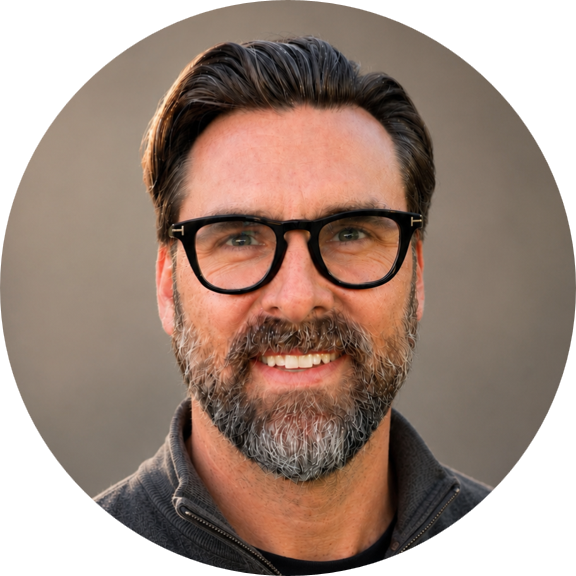
David Parfitt
Operating Partner
Engagement Lead
David is an Operating Partner and Board Director focused on lower-middle-market industrial businesses. A former PE-backed Executive, he has led operational diligence across multiple private equity transactions and value creation initiatives spanning operations, commercial execution, technology, and organizational development. As engagement lead, David connects each workstream to the value creation plan and to the Board, CEO, leadership team, and frontline. Having sat on both sides of the table, he knows what a sponsor needs and the challenge of delivering it while running a business day to day. He is accountable for execution alongside management: real operating bandwidth, not recommendations, with our name on the results.
MBA, VillanovaB.S. Finance, Penn StateWharton, Strategic OperationsLean Six SigmaPMP
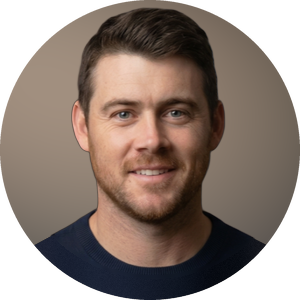
Tom is an operations and engineering executive with nearly two decades of experience improving performance across private-equity-backed and global manufacturing businesses, including Bridgestone, Mack Trucks, and B. Braun Medical. He has run capital-intensive projects from $1M to $42M, led engineering organizations of up to 30 people, and combined hands-on leadership with lean management, 80/20 analysis, and practical tools to deliver measurable gains in throughput, delivery, quality, working capital, and cost. At ITM, Tom leads operations and engineering deployments for lower-middle-market manufacturers, building the management systems, operating cadence, and leadership capability required to sustain performance.
B.S. Mechanical Engineering, Penn StateShingo/SME Lean Certificate Alliance
Specialties
Operations & Engineering LeadershipProject ManagementLean ManufacturingISO, FDA & OSHA
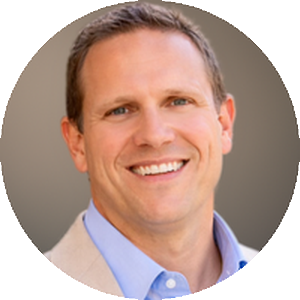
Dave is a technology executive and Penn State faculty leader focused on turning emerging technology into practical business solutions. He specializes in applied AI, automation, cybersecurity, and secure technology architecture, helping organizations identify where technology can remove work, improve visibility, and strengthen data security. Dave combines deep technical expertise with a business-first approach to ensure technology investments are right-sized, practical, and tied to measurable operating priorities.
Ed.D., Drexel UniversityB.S. Computer Science/Math, Penn StateAssociate Teaching Professor, Penn State College of ISTFaculty Affiliate, Center for Socially Responsible AI
Evan is a data and analytics specialist who turns complex operating and commercial data into actionable management insight. He builds the sales infrastructure, financial models, pipeline visibility, and reporting required to identify growth opportunities and improve commercial accountability. Evan brings structured project execution to commercial initiatives, translating priorities into clear actions, ownership, milestones, and measurable results.
One team connecting sponsor priorities, management execution, and frontline results.
Start a Conversation
Business-First
Built from the ground up, just like the businesses we work with
Our perspective is grounded in firsthand experience. We grew up working construction, roofing, and farming: summers spent framing houses and long days on job sites and in fields. Those experiences instilled a deep respect for hard work, accountability, and the discipline required to see something through.
That perspective defines how we partner. We've stood on factory floors with lifers who have given decades to building something remarkable, people who know every quirk of every process, every customer relationship that matters, every unwritten rule that makes the place run. What they've built deserves to grow rapidly. Our job is to make sure the infrastructure is there when it does.
"We partner with founders, operators, and their investors, combining a shared work ethic with practical execution capability to build the infrastructure that turns great businesses into fast-growing ones."
How We Work
The trust we build is the real accelerant.
We work side by side with sponsors, leadership teams, and the people doing the work every day, strengthening what already makes a business great rather than replacing it. Everything we implement is built with the team, not for them, so the skills stay in the business after we're gone.
Some of the most valuable time in an engagement never shows up on a project plan. The twenty minutes spent listening to why a product line is built the way it is. The two-hour tool that fixes something one person has complained about for years. That's how trust gets built, and trust is what earns the next ten conversations.
The supervisor who felt heard becomes the one who makes the new daily cadence stick. We're generous with attention and disciplined with days, and that combination is why what we install keeps running.
Operator Insights
Explore how we think about scalable execution, value creation, and operating infrastructure.
Read Insights
Contact
Start a conversation
We'd like to hear from you.
Whether you're a PE sponsor evaluating an operating partner, a founder considering a transition, or an LP evaluating the opportunity, we welcome direct conversations.